
Step into the realm of house room design where creativity meets functionality. From different styles to furniture selection, lighting, and color schemes, this guide will take you on a journey through the art of creating stunning living spaces.
Delve deeper into the nuances of design as we uncover the secrets to transforming any room into a masterpiece of style and comfort.
Different Styles of House Room Design
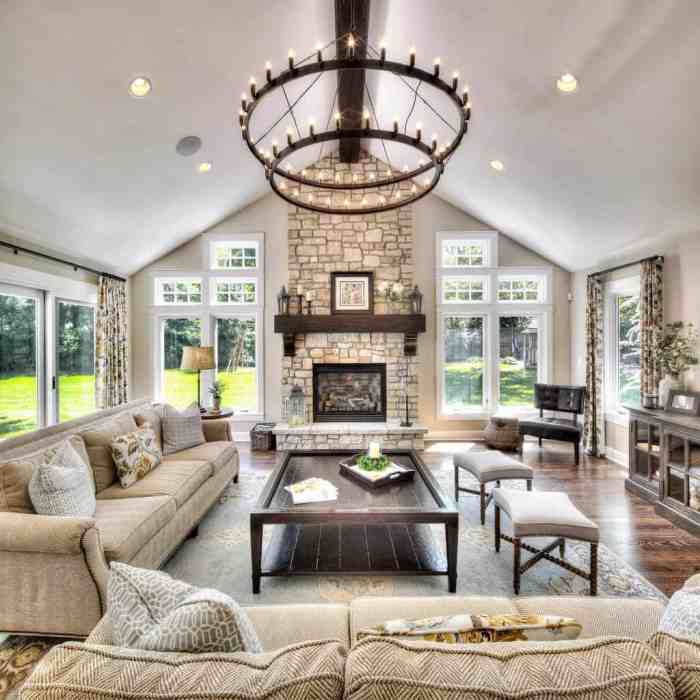
When it comes to designing rooms in a house, there are various popular styles that homeowners can choose from to create a unique and appealing space. Each style has its own key features and characteristics that set it apart from the rest, allowing for a wide range of design options.
Modern Style
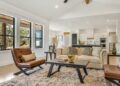
The modern style is known for its clean lines, minimalistic approach, and use of neutral colors. Key features include open spaces, sleek furniture, and a focus on simplicity. This style can be incorporated into living rooms, bedrooms, and kitchens to create a contemporary and stylish look.
Minimalist Style
Minimalist design focuses on simplicity, functionality, and the use of space. Key features include a limited color palette, clutter-free environments, and a focus on essential elements. This style is perfect for bedrooms, bathrooms, and home offices where a clean and uncluttered look is desired.
Traditional Style
Traditional design is characterized by classic furniture, rich colors, and intricate details. Key features include ornate patterns, antique pieces, and a sense of warmth and comfort. This style can be incorporated into living rooms, dining rooms, and libraries to create a timeless and elegant space.
Industrial Style
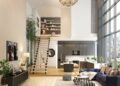
The industrial style is inspired by old factories and warehouses, featuring raw materials, exposed structures, and a rugged aesthetic. Key features include metal accents, unfinished surfaces, and a mix of modern and vintage elements. This style is perfect for loft spaces, kitchens, and home offices to create a unique and edgy look.
Importance of Lighting in House Room Design
Lighting plays a crucial role in enhancing the ambiance of a room and can significantly impact the overall design and feel of a space. Whether it's natural light streaming in through windows or strategically placed artificial lighting fixtures, the right lighting can make a room feel cozy, spacious, or even dramatic.
Types of Lighting Fixtures
There are various types of lighting fixtures suitable for different rooms in a house, each serving a specific purpose. Here are some common types:
- Chandeliers: Ideal for dining rooms or grand entrances, chandeliers add a touch of elegance and sophistication to a space.
- Wall Sconces: Perfect for hallways, bedrooms, or living rooms, wall sconces provide ambient lighting and can also serve as decorative elements.
- Recessed Lighting: Often used in kitchens, bathrooms, or home offices, recessed lighting fixtures are versatile and can provide both task and ambient lighting.
- Table Lamps: Great for bedside tables, side tables, or desks, table lamps offer focused task lighting and can also enhance the aesthetic appeal of a room.
Tips for Effective Lighting
When it comes to lighting design, a combination of natural light and artificial light can create a dynamic and visually appealing environment. Here are some tips on how to effectively use lighting to highlight different design elements:
- Maximize Natural Light: Position furniture and decor items near windows to take advantage of natural light during the day.
- Layer Lighting: Combine overhead lighting, task lighting, and accent lighting to create depth and dimension in a room.
- Use Dimmers: Install dimmer switches to control the intensity of artificial lighting and create different moods for various occasions.
- Highlight Architectural Features: Use spotlights or wall washers to accentuate architectural details like exposed brick walls or vaulted ceilings.
Furniture Selection for House Room Design

When it comes to designing a house room, choosing the right furniture is crucial to creating a functional and aesthetically pleasing space. The selection of furniture should be based on the size of the room and the overall style you want to achieve.
Additionally, proper placement of furniture can help optimize space and enhance the flow of the room. Here are some guidelines and ideas to consider:
Choosing the Right Furniture Based on Room Size and Style
- Measure the dimensions of the room to determine the appropriate size of furniture pieces. Oversized furniture can make a small room feel cramped, while small furniture in a large room can look out of place.
- Select furniture that complements the style of the room. For example, if you have a modern minimalist design, opt for sleek and simple furniture pieces.
- Consider the function of the room when choosing furniture. For a living room, comfortable seating options are essential, while a bedroom may require a cozy bed and storage solutions.
Importance of Furniture Placement in Optimizing Space and Flow
- Arrange furniture to create a natural flow and circulation within the room. Avoid blocking pathways or obstructing access to windows and doors.
- Use furniture to define different zones within a room, such as a seating area in a living room or a workspace in a bedroom.
- Consider the focal point of the room when placing furniture. For example, position seating towards a fireplace or a TV for a more inviting layout.
Mixing and Matching Different Furniture Pieces to Create a Cohesive Design
- Experiment with mixing different styles of furniture to add visual interest to the room. For instance, pair a contemporary sofa with vintage accent chairs for a unique look.
- Focus on creating a balance between different furniture pieces in terms of scale, color, and texture. This will help achieve a harmonious and cohesive design.
- Don't be afraid to incorporate statement pieces or unique furniture items to add personality and character to the room.
Color Schemes and Patterns in House Room Design

Color schemes play a crucial role in setting the mood and atmosphere of a room. The right combination of colors can evoke various emotions and enhance the overall aesthetic of the space.
Impact of Color Schemes on Room Atmosphere
Color schemes can impact the mood and atmosphere of a room significantly. For example, warm colors like red, orange, and yellow can create a cozy and inviting feel, perfect for living rooms or bedrooms. On the other hand, cool colors like blue, green, and purple can promote a sense of calmness and relaxation, ideal for spaces like bathrooms or home offices.
Popular Color Combinations and Their Effects
- Neutral tones (such as white, beige, and gray) paired with a pop of color can create a modern and sophisticated look.
- Monochromatic color schemes (different shades of the same color) can add depth and visual interest to a room without overwhelming it.
- Contrasting color combinations (like black and white) can make a bold statement and create a striking visual impact.
Incorporating Patterns and Textures
Adding patterns and textures to a room can elevate its design and make it more visually appealing. Consider incorporating elements like geometric patterns, floral prints, or textured fabrics to add depth and dimension to the space. Mixing different patterns and textures can create a dynamic and cohesive look, but be mindful of balance and scale to avoid overwhelming the room.
Wrap-Up

As we conclude our exploration of house room design, remember that every element plays a crucial role in shaping the ambiance of a space. Let your imagination run wild as you embark on your own design adventures, creating rooms that reflect your unique personality and style.
Answers to Common Questions
What are some popular styles of house room design?
Popular styles include modern, minimalist, traditional, industrial, and more, each with its own unique features and characteristics.
How important is lighting in house room design?
Lighting plays a crucial role in enhancing the ambiance of a room and highlighting design elements. It can make a significant impact on the overall look and feel of a space.
What factors should be considered when selecting furniture for house room design?
Consider room size, style, and furniture placement to choose the right pieces that optimize space and flow. Mixing and matching different furniture can create a cohesive design.
How do color schemes and patterns affect house room design?
Color schemes and patterns can influence the mood and atmosphere of a room. By incorporating them effectively, you can add visual interest and create a harmonious space.