
Delving into inside house design, this introduction immerses readers in a unique and compelling narrative. It explores the importance of interior design in shaping living spaces and delves into the key elements that contribute to aesthetically pleasing interiors. From layout planning to storage solutions, this topic covers a wide range of aspects that influence the design of a house.
Importance of Interior Design in a House
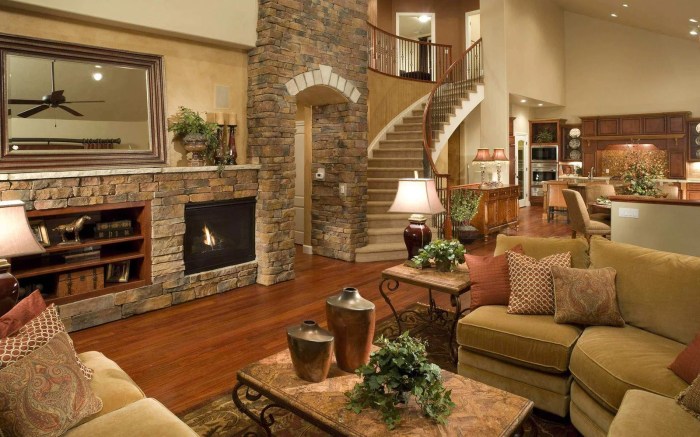
Interior design plays a crucial role in creating a cohesive and functional living space within a house. It involves not just the aesthetics but also the practicality and functionality of the space. A well-designed interior can significantly impact the overall mood and atmosphere inside a house, making it a more comfortable and inviting place to live.
Influence on Mood and Atmosphere
Interior design has the power to influence the mood and atmosphere inside a house. For example, a room with bright colors and natural light can evoke feelings of warmth and positivity, while a room with dark colors and minimal lighting may create a more intimate and cozy ambiance.
The choice of furniture, decor, and layout all contribute to shaping the overall atmosphere of a space.
Enhancing Daily Living Experiences
Well-designed interiors can enhance daily living experiences by optimizing the functionality and flow of a space. For instance, a thoughtfully designed kitchen can make cooking and meal prep more efficient and enjoyable, while a cozy living room layout can encourage relaxation and socializing.
Additionally, the use of smart storage solutions and ergonomic furniture can improve comfort and convenience in daily activities.
Elements of Interior Design
Interior design involves a combination of various elements that work together to create a cohesive and visually appealing space. Key elements such as color, lighting, furniture, decor, texture, patterns, balance, scale, and proportion play a crucial role in shaping the overall look and feel of a room.
Color
Color is a fundamental element in interior design as it sets the mood, creates harmony, and establishes a visual hierarchy within a space. Different colors can evoke different emotions and influence how we perceive a room.
Lighting
Lighting is essential in interior design as it not only illuminates a space but also enhances the ambiance and functionality of a room. Proper lighting can highlight key features, create focal points, and improve the overall atmosphere.
Furniture and Decor
Furniture and decor are key elements that add functionality and personality to a room. The choice of furniture pieces, their arrangement, and the selection of decor items can significantly impact the aesthetic appeal of a space.
Texture and Patterns
Texture and patterns add depth, visual interest, and tactile sensations to a room's design. Mixing different textures and patterns can create a dynamic and layered look, adding richness and complexity to the overall design.
Balance, Scale, and Proportion
Achieving balance, scale, and proportion is crucial in interior design to ensure that the elements within a space are harmoniously distributed. Properly balancing different elements, scaling furniture to fit the room, and maintaining proportionality create a sense of unity and coherence in the design.
Interior Layout and Space Planning
When it comes to designing the interior of a house, one of the crucial aspects is the layout and space planning. This process involves strategically arranging furniture, fixtures, and other elements to optimize the functionality of the space while ensuring a smooth flow throughout the house.Space planning is essential in making the most out of the available area in a house.
By carefully planning the layout, it is possible to create designated areas for different activities, such as living, dining, and sleeping, to ensure that each space serves its purpose efficiently.
Optimizing Furniture Arrangement
Space planning involves arranging furniture in a way that maximizes space and improves traffic flow within the house. Here are some tips to help you make the most out of your space:
- Consider the function of each room and choose furniture that fits the purpose.
- Measure the dimensions of the room and furniture to ensure a proper fit.
- Leave enough space between furniture pieces for easy movement.
- Utilize multi-functional furniture, such as storage ottomans or sofa beds, to save space.
- Arrange furniture in a way that promotes conversation and interaction in common areas.
Creating Designated Areas
A well-planned layout helps in creating designated areas for different activities within a house. This separation of spaces not only enhances the functionality of the house but also adds to its aesthetic appeal. Here are some key points to consider:
- Define specific areas for activities like dining, working, and relaxation.
- Use area rugs, lighting, and furniture placement to delineate different spaces.
- Ensure that each area has easy access to necessary amenities, such as storage or electrical outlets.
- Maintain a balance between open spaces and private areas to cater to various needs.
- Consider the flow of movement between different areas to create a harmonious living environment.
Popular Interior Design Styles
When it comes to interior design, there are various styles that homeowners can choose from to create a unique and personalized space
Modern Interior Design
Modern interior design is characterized by clean lines, minimalism, and a focus on function. Key elements include neutral colors, sleek furniture, and open spaces. This style can be incorporated into living rooms by using statement pieces of furniture and incorporating pops of color through accessories.
Traditional Interior Design
Traditional interior design is known for its classic and timeless look. This style features rich woods, luxurious fabrics, and elegant details. To incorporate traditional design into a dining room, consider using a large wooden dining table with upholstered chairs and a chandelier as a focal point.
Minimalist Interior Design
Minimalist interior design focuses on simplicity, using only the essentials to create a clean and clutter-free space. This style often features neutral colors, simple furniture, and plenty of natural light. In a bedroom, minimalist design can be achieved by opting for a low platform bed, simple bedding, and a few carefully chosen decorative items.
Eclectic Interior Design
Eclectic interior design is all about mixing different styles, textures, and colors to create a unique and vibrant space. This style allows for creativity and personal expression. To incorporate eclectic design into a home office, consider mixing vintage and modern furniture pieces, using bold patterns and colors, and displaying an eclectic art collection.
Utilizing Natural Light in Interior Design
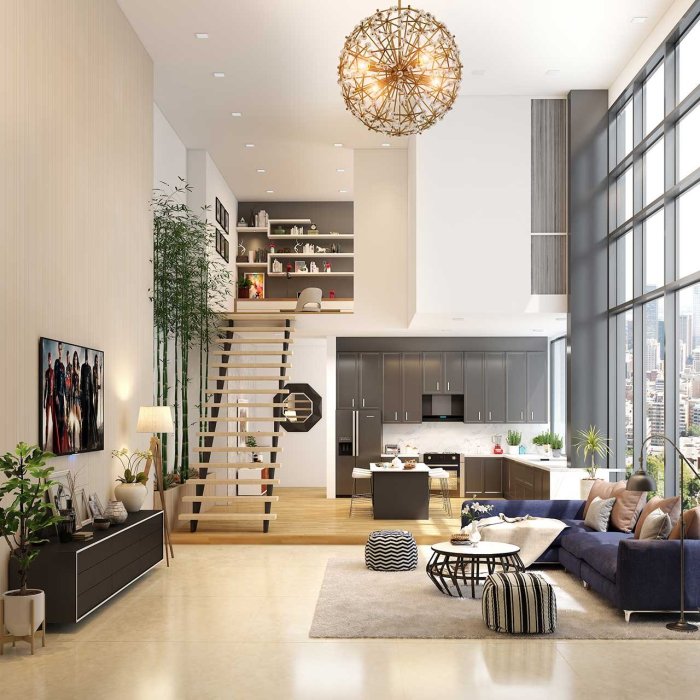
Natural light is a crucial element in interior design as it has numerous benefits that can enhance the overall look and feel of a space. It not only brightens up the room but also creates a sense of openness and spaciousness.
Additionally, natural light can positively impact our mood, productivity, and well-being.
Maximizing Natural Light
- Choose light-colored window treatments: Opt for sheer curtains or blinds that allow sunlight to filter through while still providing privacy.
- Strategic furniture placement: Arrange furniture in a way that does not obstruct the flow of natural light into the room. Avoid placing bulky pieces in front of windows.
- Use reflective surfaces: Incorporate mirrors, glass, and metallic accents in your decor to bounce natural light around the room and make it feel brighter.
Creating a Seamless Connection
- Install large windows or glass doors: Enhance the connection between indoor and outdoor spaces by installing expansive windows or sliding glass doors that allow for unobstructed views and plenty of natural light.
- Outdoor living areas: Extend your living space outdoors with a patio or deck that seamlessly transitions from the interior, blurring the lines between inside and outside while maximizing natural light.
Functional and Stylish Storage Solutions
When it comes to interior design, storage solutions play a crucial role in maintaining a clutter-free and visually appealing space. Innovative storage options not only maximize space but also enhance the overall design of a house. Let's explore the importance of decluttering, organizing spaces, and seamlessly integrating storage into the design aesthetic.
Integrated Shelving Units
Integrated shelving units are a great way to add functional storage while also serving as decorative elements. Utilize wall-mounted shelves or built-in bookcases to display books, decorative items, or personal collections.
Multi-Functional Furniture
Opt for furniture pieces that have hidden storage compartments such as ottomans with storage space inside or coffee tables with lift-up tops. These pieces not only serve their primary function but also provide additional storage options.
Under-Stair Storage
Make the most of under-stair space by incorporating custom storage solutions like pull-out drawers, cabinets, or open shelving. This often-overlooked area can be transformed into a functional storage space for shoes, coats, or seasonal items.
Decluttering and Organizing
Before adding storage solutions, it's important to declutter and organize your space. Get rid of items you no longer need and categorize belongings to make it easier to find and store them efficiently. This not only creates a more visually appealing space but also makes it easier to maintain cleanliness.
Final Wrap-Up
In conclusion, inside house design plays a crucial role in transforming a house into a home. By carefully considering elements like layout, style, and natural light, homeowners can create spaces that are not only functional but also visually appealing. Whether it's maximizing storage or incorporating different design styles, the possibilities are endless when it comes to interior design.
Common Queries
How does interior design impact the mood of a house?
Interior design can greatly influence the mood of a house by utilizing colors, lighting, and furniture choices to create a specific atmosphere.
What are some popular interior design styles?
Popular interior design styles include modern, traditional, minimalist, and eclectic, each with its own unique characteristics and elements.
Why is natural light important in interior design?
Natural light not only enhances the overall design of a space but also has numerous health benefits and can make rooms feel more spacious.
How can storage solutions be integrated seamlessly into interior design?
Storage solutions can be integrated into interior design by choosing furniture pieces that double as storage units and utilizing clever organizational tools to declutter spaces.