
Delving into the world of vertical siding houses, we uncover the unique charm and practicality they bring to home exteriors. From design options to installation processes, this guide offers a detailed look at everything you need to know about vertical siding houses.
As we navigate through the various aspects of vertical siding, you'll gain valuable insights into its benefits, maintenance requirements, and more.
Overview of Vertical Siding Houses
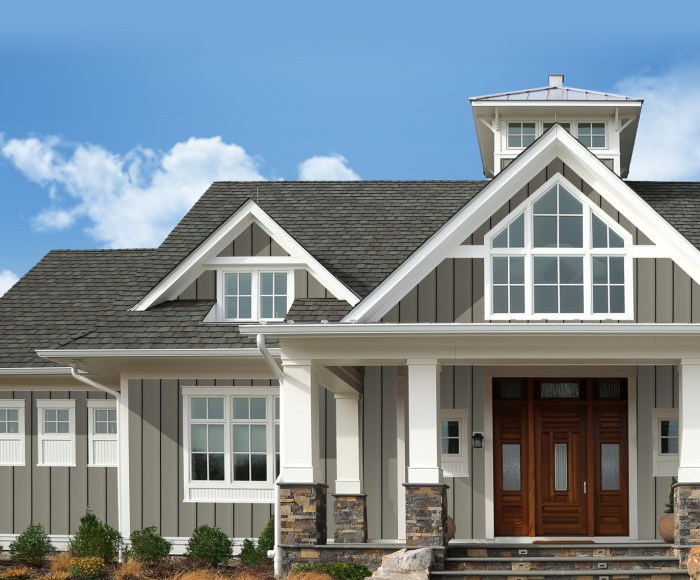
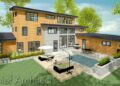
Vertical siding is a type of exterior cladding where the siding panels are installed vertically on the walls of a house. This style provides a unique and modern look to the exterior of the house, setting it apart from traditional horizontal siding.
Using vertical siding on houses offers several benefits, including improved water resistance, enhanced visual appeal, and the ability to create a sense of height and verticality. It also allows for more design flexibility and can be used to highlight specific architectural features of the house.
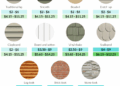
Popular materials used for vertical siding include wood, fiber cement, vinyl, and metal. Each material has its own set of advantages in terms of durability, maintenance, and cost, allowing homeowners to choose the option that best suits their needs and preferences.
Design and Style Options
Vertical siding offers a variety of design options, such as board and batten, panel siding, and tongue and groove. These styles can create different visual effects and textures on the exterior of the house, adding depth and character to the overall design.
- Board and batten siding features wide boards with narrow strips (battens) covering the seams, creating a rustic and traditional look.
- Panel siding consists of large panels that can be smooth or textured, offering a clean and modern aesthetic.
- Tongue and groove siding interlocks the boards vertically, providing a seamless and uniform appearance.
When choosing the color and texture for vertical siding houses, consider the architectural style of the house, the surrounding environment, and personal preferences. Lighter colors can make a house appear larger, while darker colors add depth and drama. Textured siding can create visual interest and enhance the overall design.
Installation Process
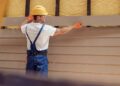
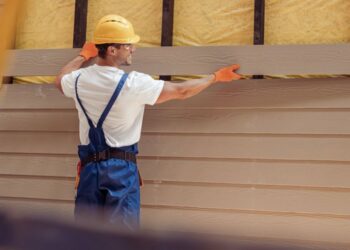
The installation process of vertical siding involves preparing the walls, measuring and cutting the siding panels, and securing them to the wall surface. Proper alignment and spacing are crucial to ensure a uniform and professional finish.
- Clean the walls and remove any existing siding or debris.
- Install a weather-resistant barrier to protect against moisture infiltration.
- Measure and cut the siding panels to fit the wall dimensions.
- Secure the siding panels using nails or screws, following the manufacturer's guidelines.
Common challenges during the installation of vertical siding include ensuring proper water drainage, addressing structural issues, and maintaining consistent spacing between panels. It is essential to follow the installation instructions carefully to avoid any mistakes that could compromise the integrity of the siding.
Maintenance and Durability
Vertical siding houses require regular maintenance to ensure longevity and preserve their appearance. Cleaning the siding periodically, inspecting for damage, and repairing any issues promptly can help extend the lifespan of the siding.
Proper maintenance can prevent issues such as mold growth, rot, and fading, keeping the siding looking fresh and vibrant for years to come.
Vertical siding is generally durable and can withstand harsh weather conditions better than horizontal siding due to its vertical orientation. However, it is still important to perform routine maintenance and inspections to address any potential issues before they escalate.
By following best practices for care and maintenance, homeowners can ensure that their vertical siding houses remain in top condition and continue to enhance the curb appeal of their property.
Closing Notes
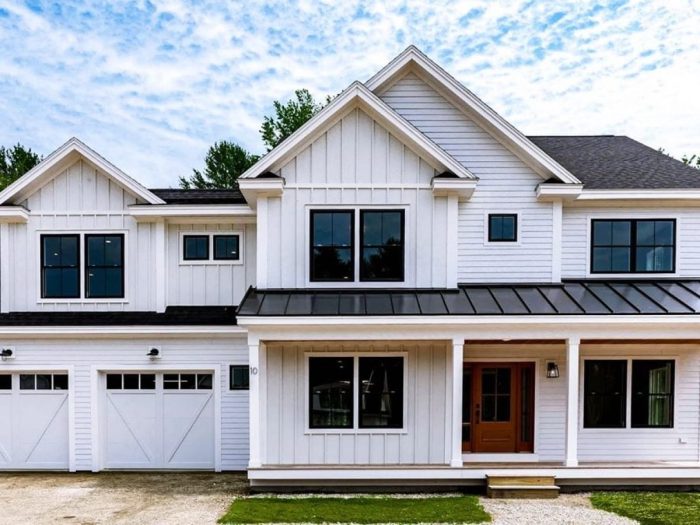
In conclusion, vertical siding houses stand out as a versatile and visually appealing choice for homeowners looking to enhance their property's aesthetics. With the right care and attention, vertical siding can elevate the look of your home while offering long-lasting durability.
Answers to Common Questions
What are the benefits of vertical siding?
Vertical siding offers a unique aesthetic appeal, enhances the visual height of a house, and requires less maintenance compared to horizontal siding.
What materials are commonly used for vertical siding?
Popular materials for vertical siding include wood, vinyl, fiber cement, and metal. Each brings its own set of advantages in terms of durability and aesthetics.
What color and texture options are best for vertical siding houses?
When choosing colors and textures for vertical siding, consider the architectural style of your home and the surrounding environment. Neutral tones and smooth textures often work well for a modern look.